


Our vision began in 2021: We want to be absolute pioneers again – as so often in our history.The goals: Maximum CO2 savings and proving that sustainability can also be economically viable.The path? We are electrifying our fleet as one of the very first – and as intelligently as possible.We are investing a significant amount of money, more than ever before in a single project.But the mission is clear to everyone: We are starting immediately and with full motivation!
Our vision began in 2021: We want to be absolute pioneers again – as so often in our history.The goals: Maximum CO2 savings and proving that sustainability can also be economically viable.The path? We are electrifying our fleet as one of the very first – and as intelligently as possible.We are investing a significant amount of money, more than ever before in a single project.But the mission is clear to everyone: We are starting immediately and with full motivation!
Scientifically sound study as a basis
We are freight forwarders and have diesel in our blood. Until now, we only knew kilowatt-hours, volts, and amperes from vehicle batteries or refrigerators. That had to change. Therefore, in 2021, we initiated initial discussions with experts and ultimately commissioned our own study with the consulting firm Freiburger Energieoptimierung.The goal was to simulate various expansion scenarios based on a multitude of variables, including the number of e-trucks and feasible routes, available PV areas, different sizes of charging stations and battery storage systems, as well as various forecasts for electricity price development, and much more.
The result:
Super exciting study! But highly complex and still far from economically viable.
The decision:
We are continuing anyway!
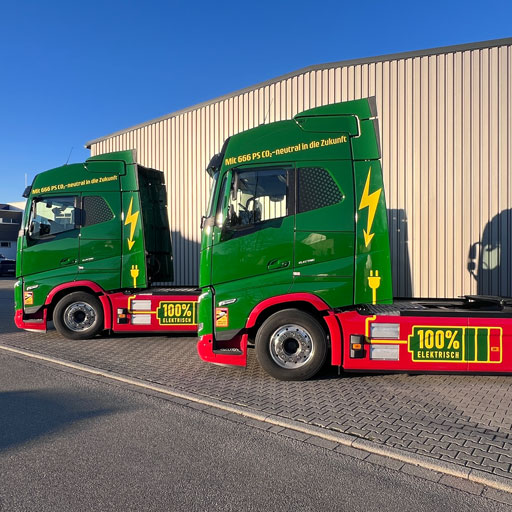
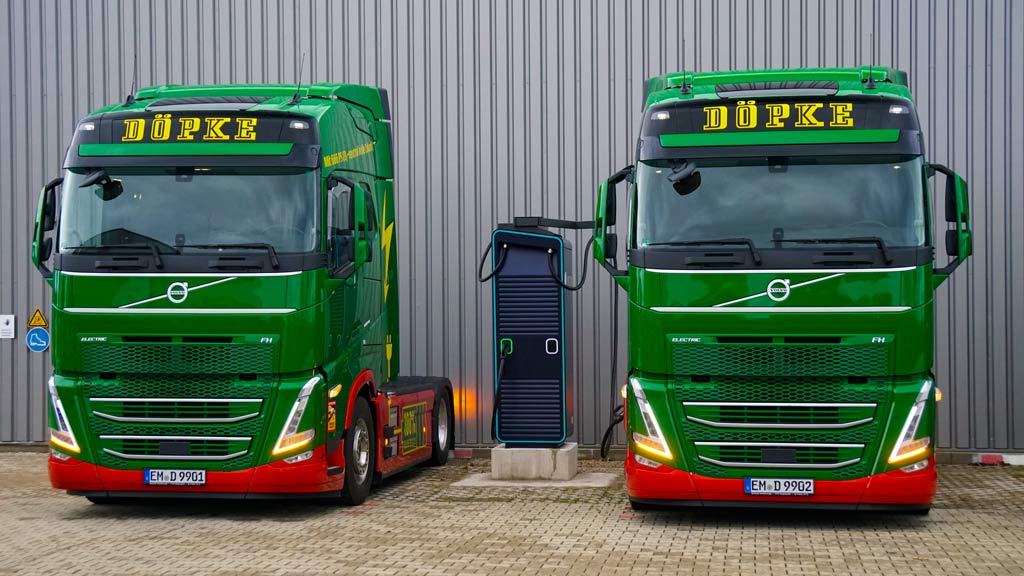
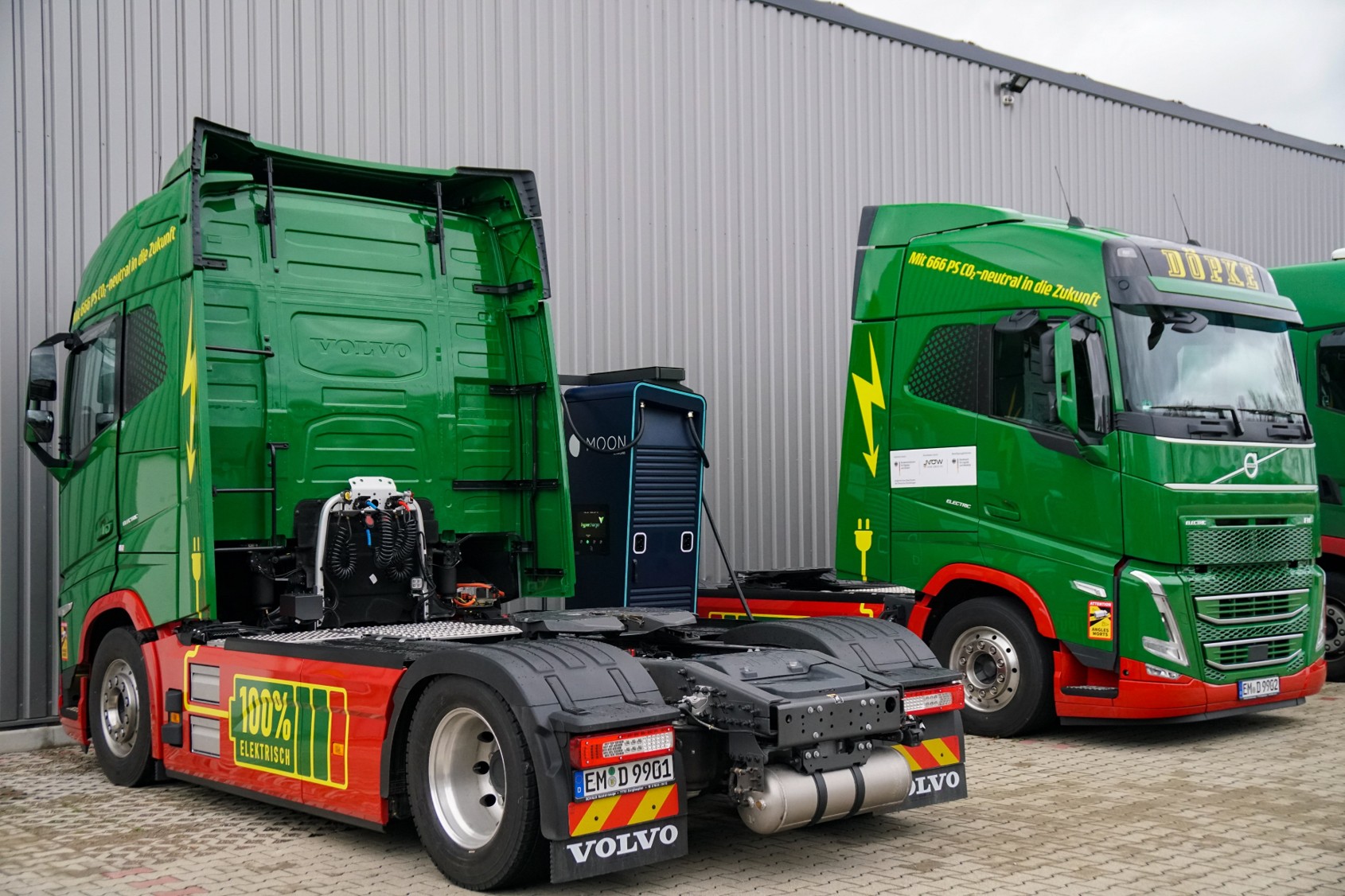
Our Volvo FH electric semi-trailer tractors
In 2022, the number of electrically powered semi-trailer tractors available on the market for heavy goods transport was still manageable. Volvo is the only OEM offering a fully functional and Europe-wide approved solution: the Volvo FH electric.
378
kWh
Battery capacity (net)
<350
km
Range
660
HP
490 kW
Since 2025, other manufacturers have also been offering electrically powered semi-trailer tractors, and we are currently testing which model is suitable for the further expansion of our e-fleet.
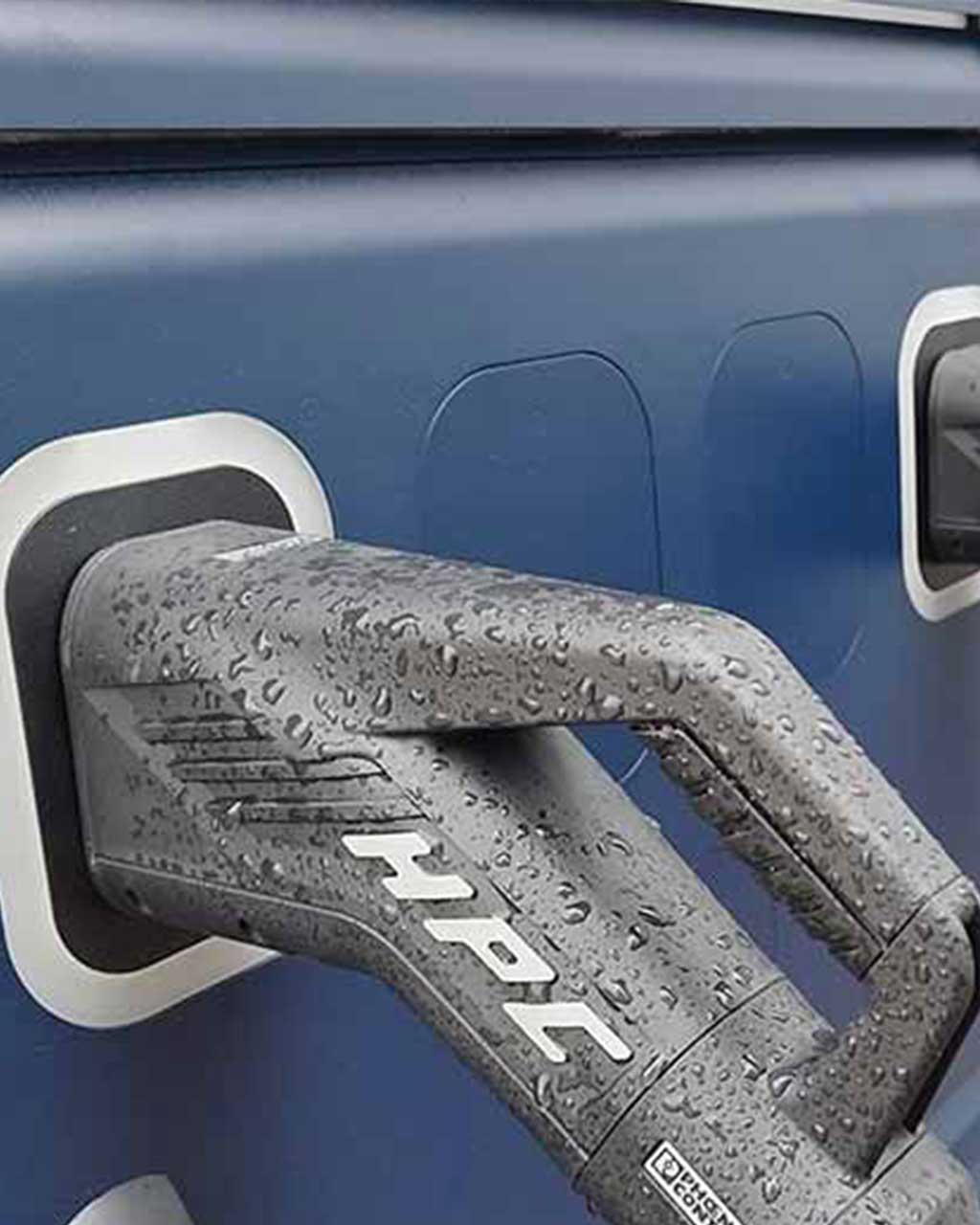
The charging infrastructure
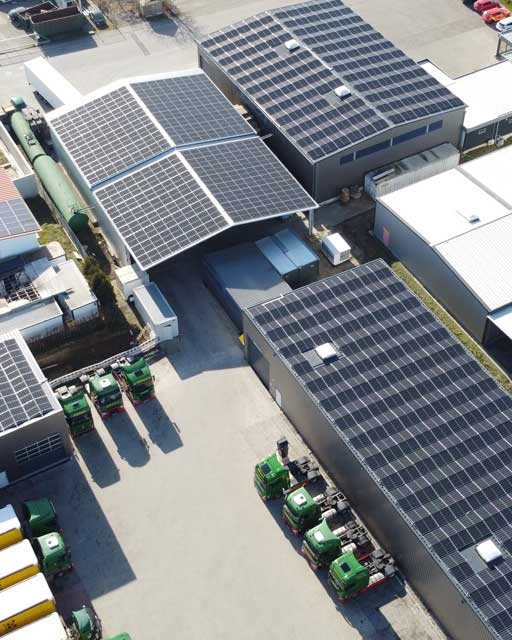
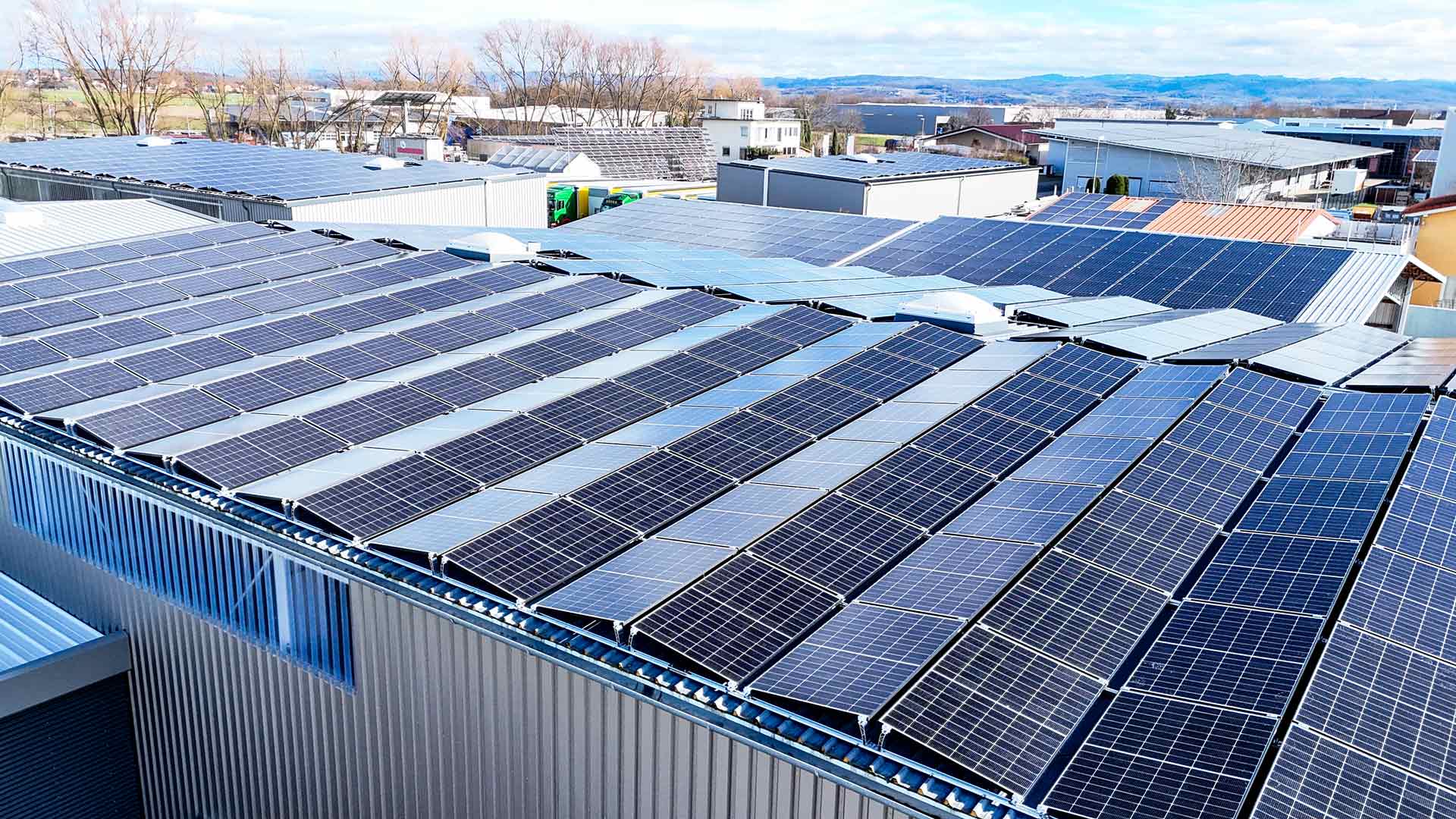
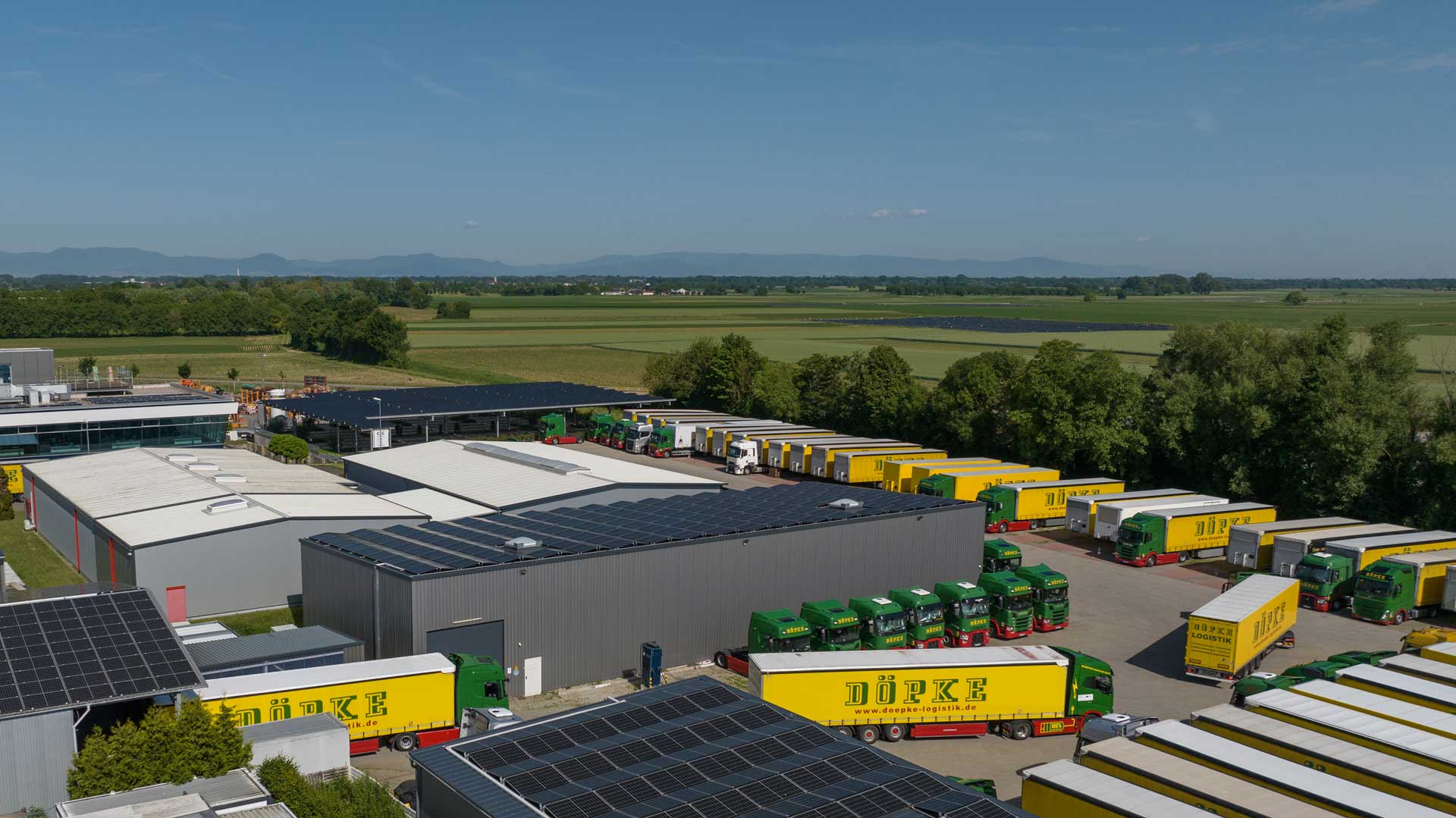
In 2022, planning began for extensive conversion measures at the Endingen site. Due to long waiting times in the KsNI funding program, delays occurred, and implementation could finally begin in mid-2023. The result:
431
kWp
PV system
400
kW
Hypercharger
376
kWh
Battery buffer storage (net)
630
kVA
Medium-voltage transformer
Since 2025, planning has been underway to expand the battery storage and install another Hypercharger, ensuring that the growing e-fleet can be optimally supplied.
The intelligence of our solution
"Our ambition goes beyond merely operating e-trucks. We aim for highly intelligent, sustainable solutions. That is why we have collected extensive data and experience and, together with our partner Coneva, developed an intelligent and customized energy management system designed to meet all requirements of fully electric truck fleets. As Coneva's first customer in the heavy commercial vehicle sector, we have also pioneered here, from which numerous other freight forwarders benefit today."
Alexander Döpke, 2024
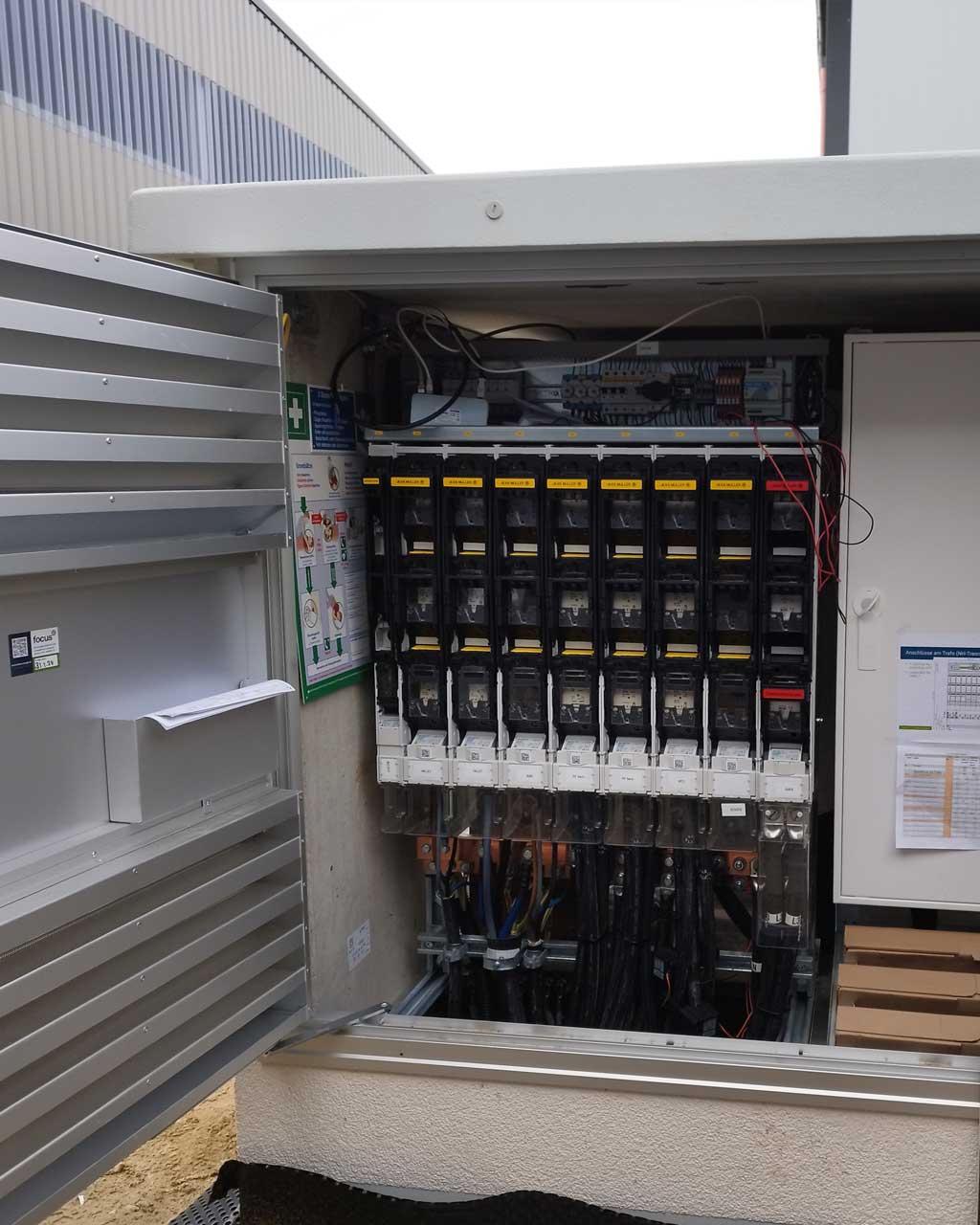
Our intelligent algorithm monitors all components of the charging infrastructure in real-time and constantly optimizes the load & charging behavior of the entire company, with the goal of continuous availability, avoidance of load peaks, and the highest degree of self-sufficiency throughout the year.
Spot Market Optimization & Proactive Procurement
If the electricity from our own generation is insufficient, Coneva interrupts charging processes to avoid purchasing expensive electricity during peak times. The Coneva Flex Tariff (quarter-hourly pricing) and the intelligent algorithm, based on historical experience and modern forecasting models, ensure that electricity is always purchased at optimized prices.
We are currently planning to make our current and future battery storage available to public grids to prevent load peaks and proactively draw electricity from the grid to relieve it – when we foreseeably do not produce enough ourselves.
The current status
>150.000
km
purely electrically driven
>724
mWh
PV energy generated
>230
Tons of CO2
saved since commissioning
We are continuing and want more!
Status: 09/2025